Care Connect Hub
A staff operations platform built for domiciliary care providers. Care in Hand, a Pembrokeshire care company with 168 employees, was the first to use it.
What was wrong before.
Care Connect Hub is a staff operations platform built for domiciliary care providers. Care in Hand, a care provider in Pembrokeshire supporting vulnerable adults in their own homes, was the first business to use it. Like most care companies, they had accumulated a fragmented toolkit over the years and nobody had ever stopped to redesign it.
Mileage came in on paper, two weeks late, often illegible. Someone spent the best part of a day every fortnight typing it into spreadsheets. Timesheets ran through a third party system that did not talk to payroll. Policies were emailed out with no way of knowing who had read them, which is a genuine problem when the regulator asks for evidence. Training records lived on paper and in email chains.
Staff communication ran through WhatsApp groups, which worked well right up until their solicitors pointed out that a consumer messaging app is not a GDPR compliant business tool. As the data controller, the company was responsible for information sitting on staff members' personal phones, with no audit trail and no way to respond properly to a subject access request.
None of it was broken exactly. It just quietly cost hours every week and left them exposed at inspection.
The actual solution.
Rotas and time
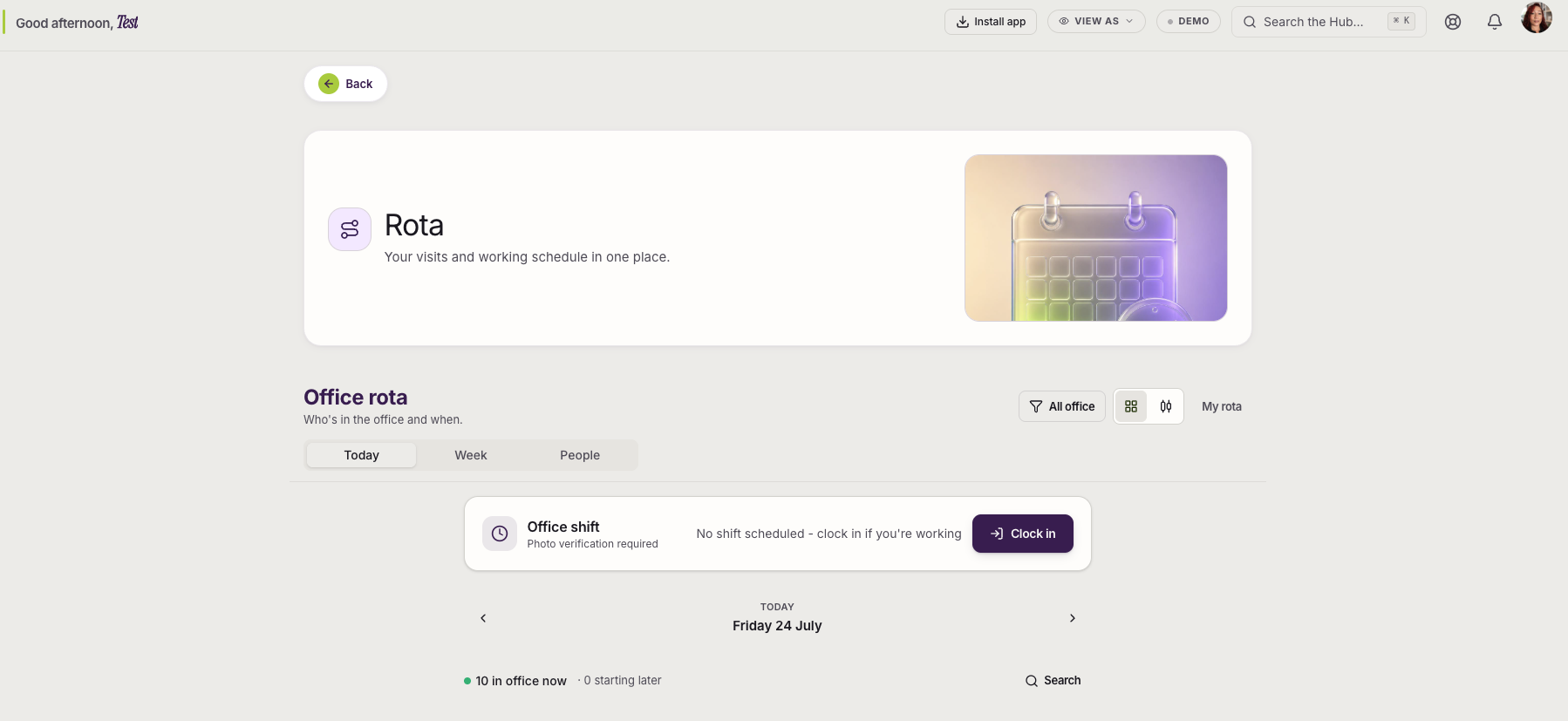
Rotas import from their external rostering tool as CSV or spreadsheet, with unmatched staff names surfaced for manual linking rather than silently failing. Staff view their own rota by week.
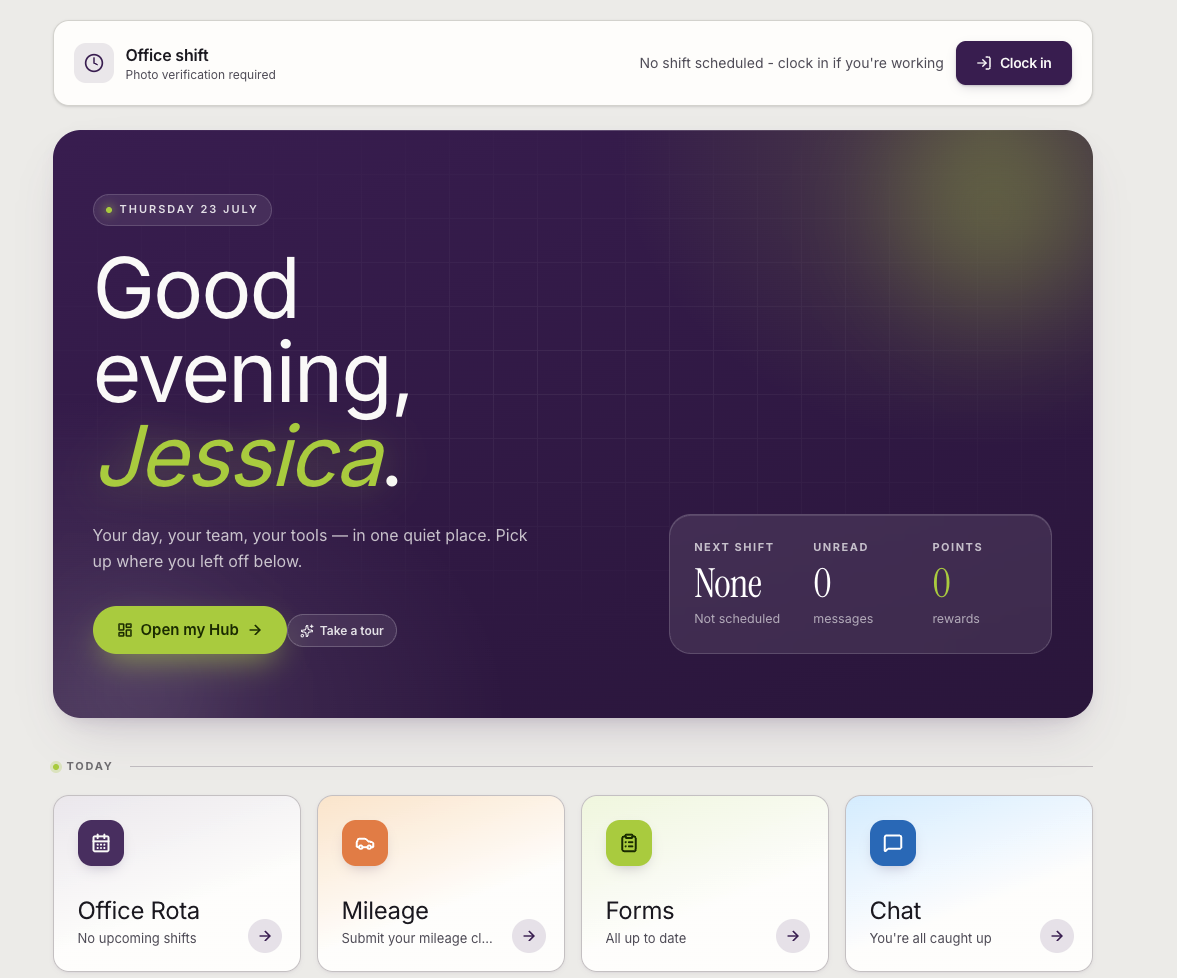
Clock in and out happens from the home screen with optional selfie verification and location recording. Scheduled times pull through from the rota so anomalies are obvious. Managers review and authorise each pay period, which locks the underlying records against further edits, then export a CSV in exactly the format payroll already expects.
Mileage
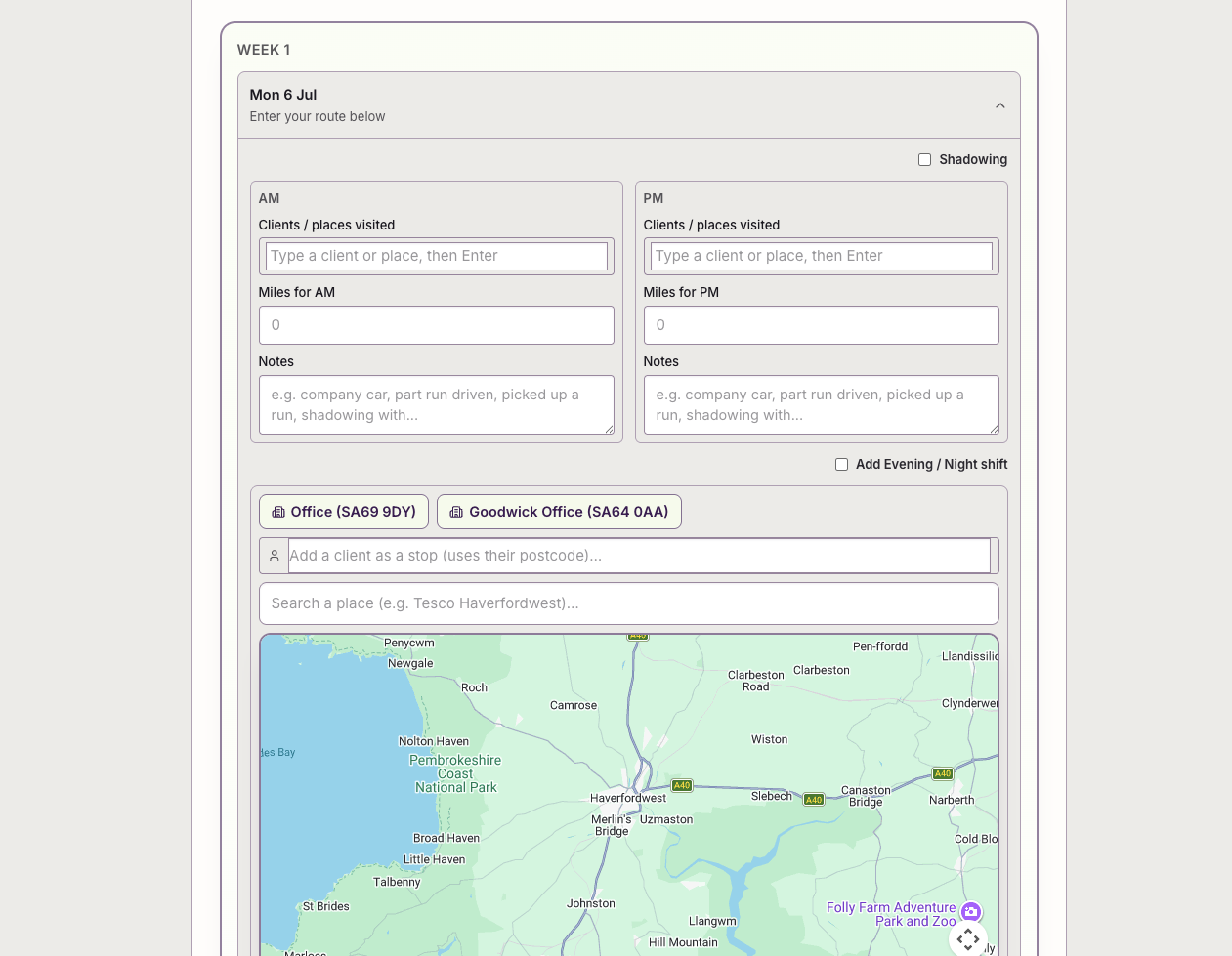
Three separate mileage forms covering carers, office staff and supported living services, each with different requirements. Staff plot their journeys on a map, distances calculate automatically through Google Maps, and the system generates a PDF matching the paper form the office was already used to receiving. Forms autosave as staff go, so a fortnightly form can be filled in a day at a time rather than remembered in one sitting at the end.
The supported living version was the hardest. Staff visit multiple clients per fortnight, and finance needed to invoice each client separately. Previously that meant one form per client. Now staff submit a single form covering everyone, and the data is stored with enough structure that finance can query any individual client for any date range, pull only their journeys, and generate an invoice with the client's free mileage allowance deducted automatically at the correct rate.
HR documents and compliance
A document signing system built from scratch, working like DocuSign. Templates are uploaded as PDFs and signature, initial, date and text fields are placed by dragging them onto the page. Templates bundle into packs for onboarding.
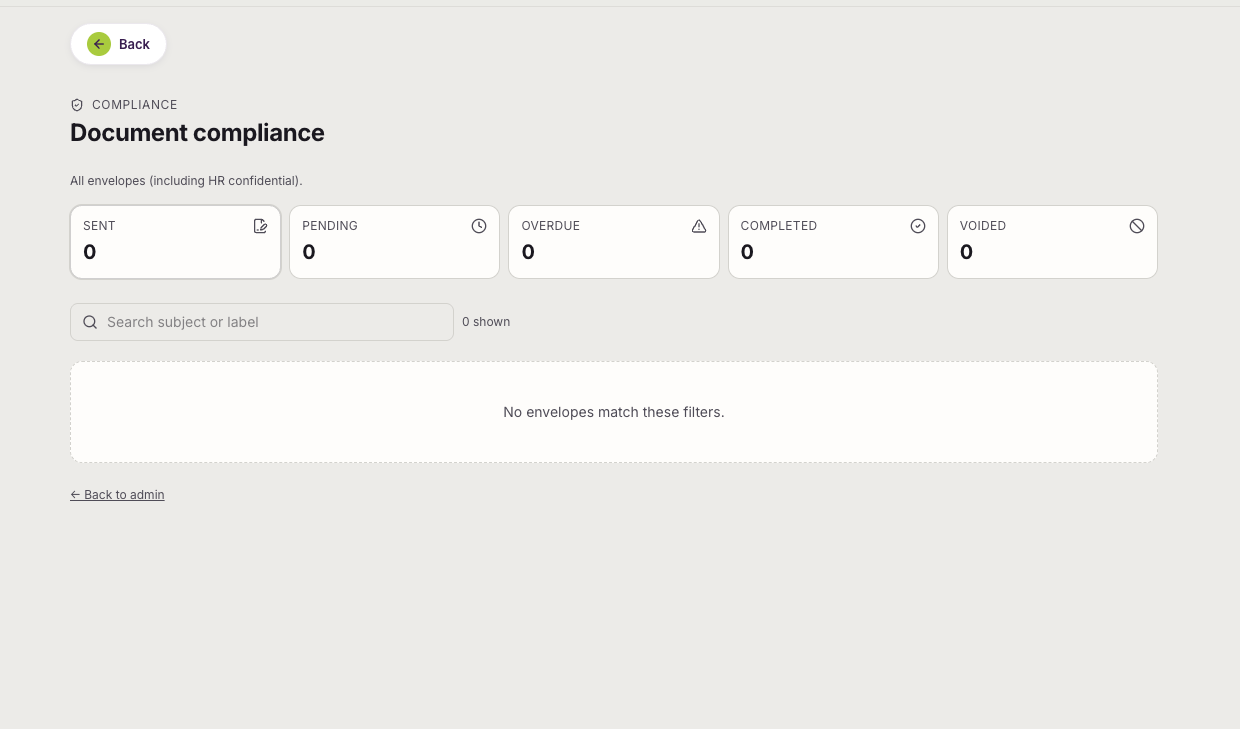
Recipients can be staff or external people with no account, who sign through a secure link. Signed documents are flattened, stored, emailed to HR and archived to SharePoint automatically. A compliance dashboard shows exactly who has signed what.
DBS checks, training certificates and right to work documents are tracked with expiry dates, and staff are reminded automatically before anything lapses.
Policies and training
Policies are written in the platform with version control. A quiz can be attached to any policy, and staff must pass it before their acknowledgement is recorded, which turns a tick box into actual evidence of understanding.
A training centre delivers courses with completion tracking and certificates. Two custom modules were built covering phone and written communication in care settings.
Staff experience
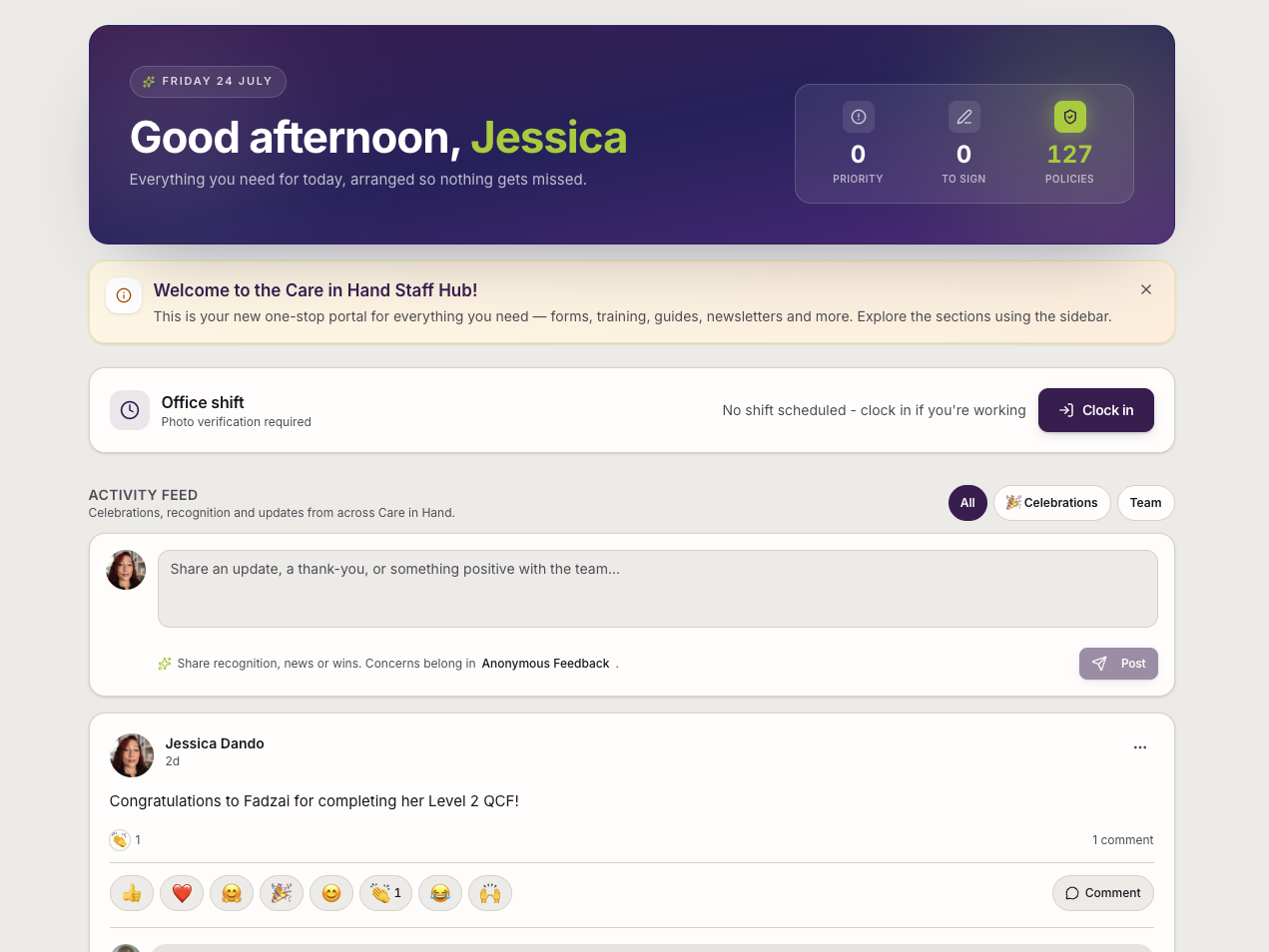
An activity feed with reactions and comments. Birthday and anniversary recognition that fires automatically. A points based rewards scheme where staff earn for referrals, reviews and length of service, then cash in through payroll.
An anonymous wellbeing channel, which is the feature I am most pleased with. Staff join through an invite link and choose a pseudonym. Nobody, including other members, can see who else is in the channel. It replaced a WhatsApp support group that could not offer anonymity, which meant the people who most needed it were least likely to use it.
The AI assistant
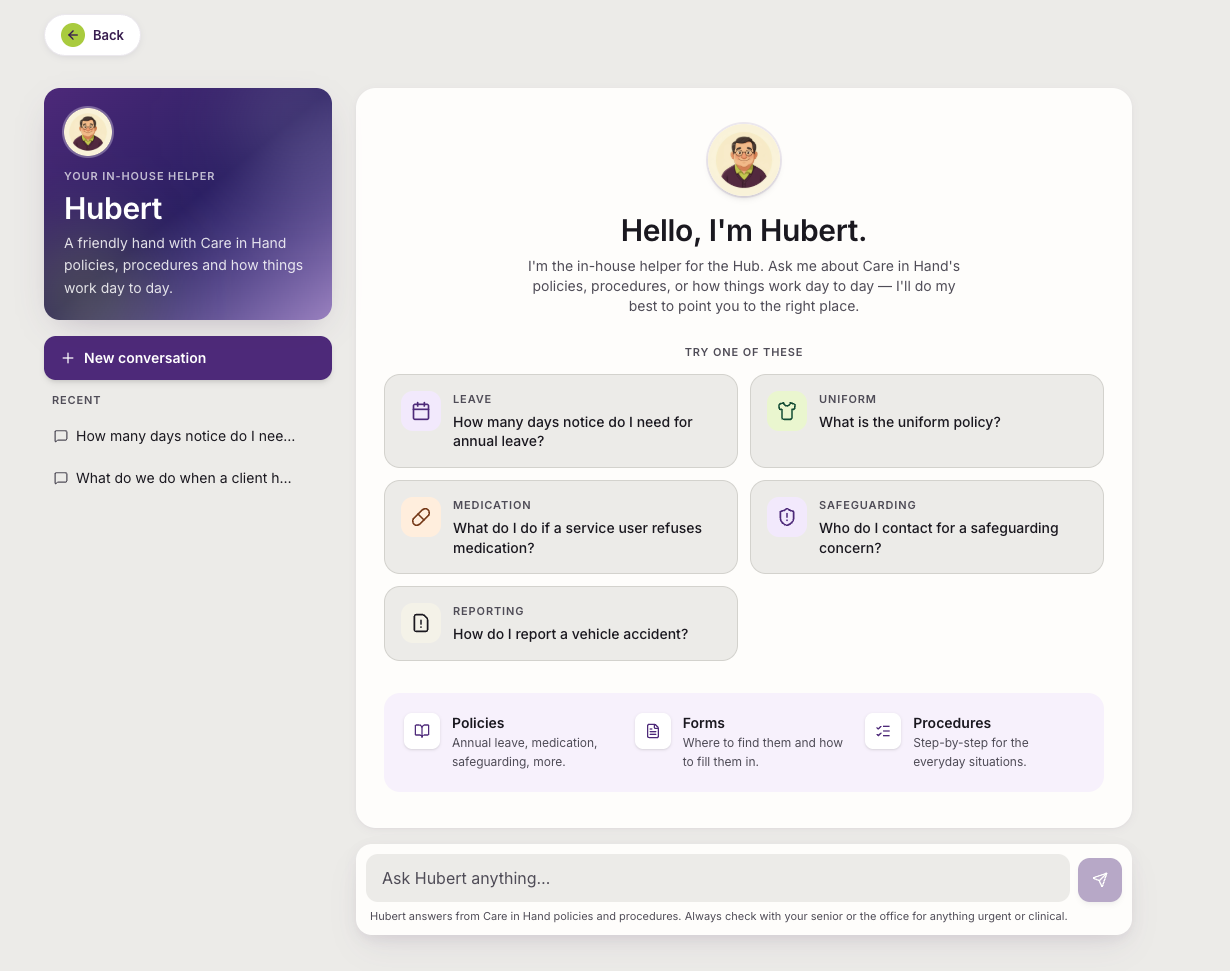
An assistant trained on the company's own policies and documents. Staff ask a question in plain English and get an answer with the source cited, rather than being told to go and read a 90 page handbook.
Recruitment and onboarding
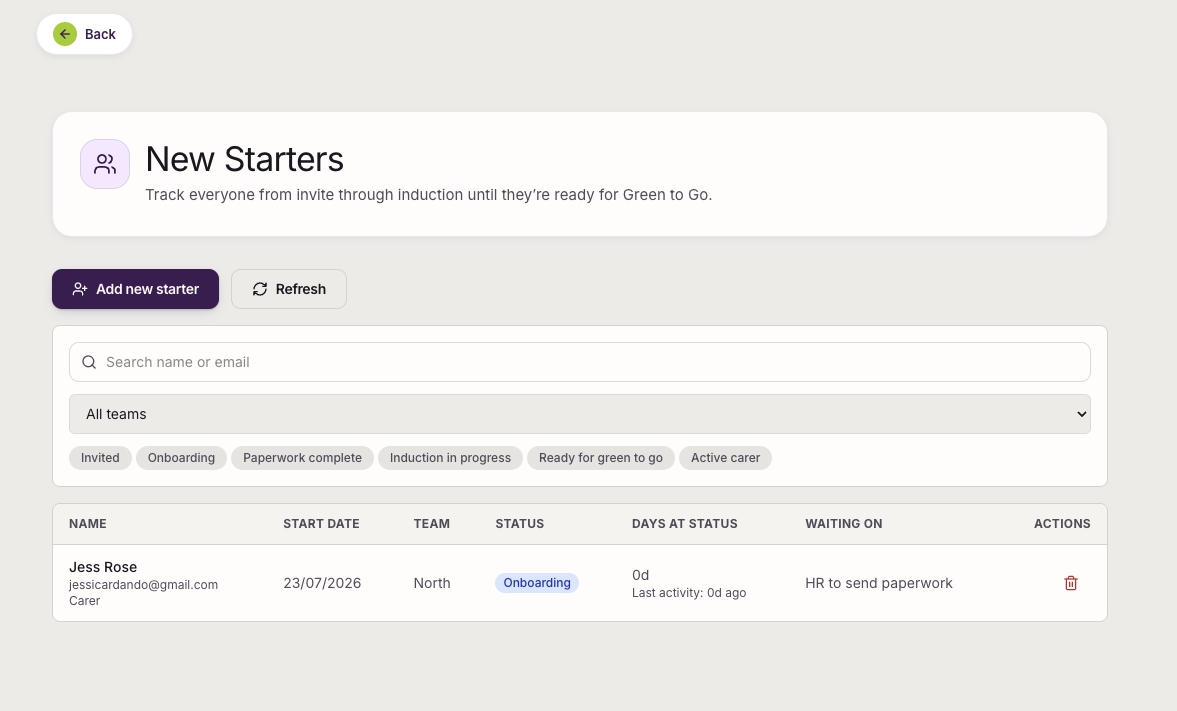
A new starter pipeline that tracks someone from job offer through paperwork, induction and training to becoming an active carer, with automatic status progression and reminders when someone stalls. Reference requests for both character and employer references, sent and completed online.
Decisions, not just features.
Offline first, from day one
Many carers work in rural Pembrokeshire where there is genuinely no mobile signal, and some rely on the client's landline to communicate at all. Forms save locally and sync when signal returns. Clock in events queue and replay. This is not a feature you add at the end, it is a decision that shapes the architecture from the first day.
Seven roles, enforced at database level
Permissions are not just hidden menu items. Every table has row level security, so a carer physically cannot retrieve another person's data even if they went looking for it. That distinction matters enormously for a company handling vulnerable people's information.
Built to survive inspection
Care Inspectorate Wales expects evidence. Every policy acknowledgement, training completion, document signature and compliance record carries a timestamp and an audit trail. The platform was designed so that producing evidence takes minutes rather than days.
Seven integrations, each with retries
Email delivery, SharePoint archiving through Microsoft Graph, Google Maps for distance calculation, voice transcription, image handling, error monitoring, and SMS. Each one is a point of failure, so failed operations queue and retry rather than disappearing silently.
Built alongside a live business
Nothing was built in isolation. Features were piloted with office staff, then seniors, then carers, with feedback at each stage. The platform changed considerably as a result, and that is the point.
What changed for the business.
- 168 staff using it daily
- Five separate systems retired
- Over £900 per month in software subscriptions cancelled
- Mileage processing reduced from a full day per fortnight to almost nothing
- Policy compliance visible in real time rather than unknown
- GDPR position resolved, with communication now on a platform the company controls
- Inspection evidence available on demand
And the one that actually matters to the people working there: nobody has to collect paper forms anymore.
Large scale custom software, built for a regulated sector, handling sensitive data, used daily by people who are not technical and do not have time to learn something complicated. Built by one person.
Services used
Get a free scope and quote
Tell me the boring job that is eating your time. I will tell you the quickest way to fix it, with a clear scope and price. No pressure, no jargon.